
THE STRATEGIC IMPORTANCE OF PRODUCT POSITIONING WITH IMAGES
Sep 29, 2026

Product positioning is the strategic process of establishing a distinct, favorable image for a product in the minds of your target audience relative to competitiors.
Strategic product positioning is the process of creating a clear and distinctive image of a product in the minds of customers compared with competing products.
Product positioning with images shapes how nuyers perceives your brand's quality, yrust and value before they read a single word.
In today's hyper competitive digital marketplace, where consumers are bombarded with thousands of products daily, product positioning with images, has become one of the most powerful tools for shaping perception, differentiating brands, and driving purchasing decisions.
How you visually present your product communicates more than words ever could it tells customers who you are, what you stand for, and why they should choose you over competitors.
Why Visual Product Positioning With Images
First Impressions: Customers form an opinion of your brand almost entirely from visuals before looking at text.
Trust and Quality: Thoughtful lighting and clear composition signal that you take your business seriously.
Differentiation: A photo without context is just an object, but a positioned image turns it into a recognizable brand.
Higher Conversions: Poor lighting or awkward angles create doubt, which lowers sales.
Value Support: Intentional imagery helps justify your pricing and attract your target market.

Why Strategic Positioning Matters With Images
Competitive Advantage: Clear positioning highlights unique value, helping your product stand out in a crowded market.
Focused Messaging: It provides a reliable framework for consistent communication across all marketing and sales channels.
Guided Development: It informs product features, pricing models, and target market segments by anchoring decisions to specific customer needs.
Enhanced Loyalty: When a product solves a specific pain point effectively, customers form stronger brand connections and repeat purchases.
The Role of Visuals in Product Positioning
Visual elements such as imagery, product photography, and packaging design translate abstract positioning strategies into immediate sensory perceptions.
Signaling Quality and Status: Clean, minimalist photography with soft lighting communicates luxury and elegance, whereas rugged or functional imagery communicates durability.
Contextualizing Use Cases: Showing a product in a realistic setting (such as a person working at a rustic desk or stocking retail shelves) helps consumers instantly visualize how the product fits into their lives.
Reinforcing Brand Identity: Consistent visual cues across digital campaigns align with your Product Positioning goals and build rapid brand recognition
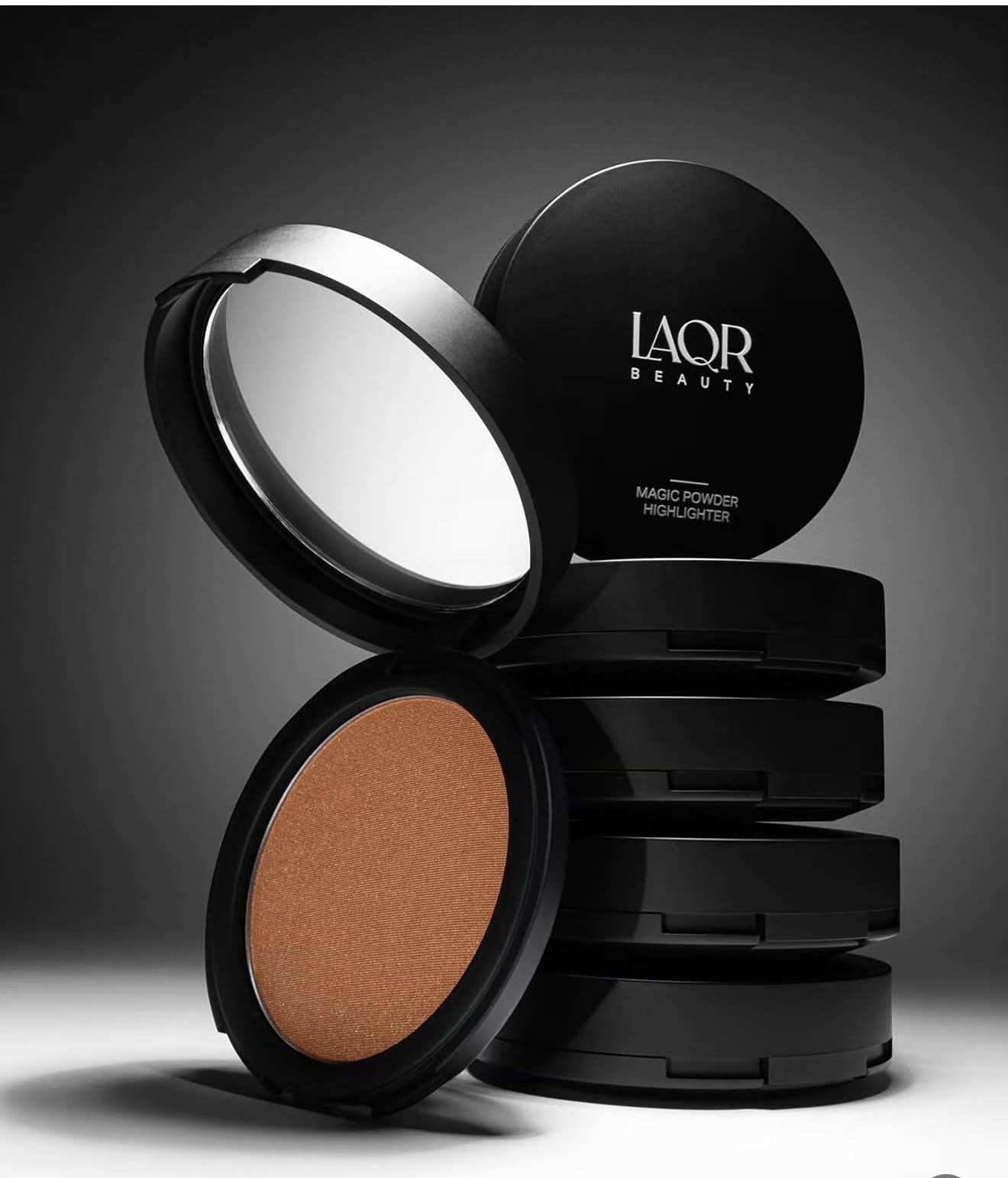
Simple Illustration Of Product Positioning With Images
             PRODUCT POSITIONING
                     │
        ┌────────────┼────────────┐
        ↓            ↓            ↓
   DIFFERENTIATION  BRAND       TARGET
                   IMAGE       CUSTOMERS
        │            │            │
        └────────────┼────────────┘
                     ↓
          CUSTOMER PERCEPTION
                     ↓
          COMPETITIVE ADVANTAGE
                     ↓
             MORE SALES & LOYALTY
Example
Imagine two bottled-water brands:
Brand A: “Affordable drinking water for everyone.
Brand B: Premium natural mineral water.Although both sell bottled water, they are positioned differently. Brand A focuses on affordability, while Brand B focuses on premium quality.
In conclusion: The strategic importance of product positioning is important because it helps a company establish a distinctive place in customers' minds, attract the right market, compete effectively, and build a strong brand.